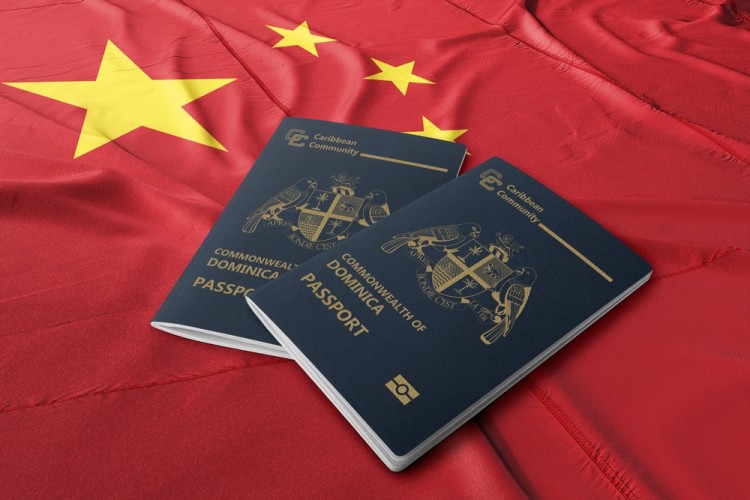

Nauru Passport A Comprehensive Guide 947958781

Nauru Passport: A Comprehensive Guide

The Nauru passport serves not only as a travel document but also as a key to exploring the vibrant culture and natural beauty of this tiny island nation. Nauru passport https://naurupassport.net In this comprehensive guide, we will delve into what makes the Nauru passport unique, the requirements for obtaining one, and the benefits it offers to its holders.

Understanding Nauru

Nauru, the third smallest country in the world, is located in the Pacific Ocean. Despite its small size, it has a rich history and diverse ecological landscapes. Nauru’s primary industries are phosphate mining, fishing, and agriculture. The nation has faced various challenges, including economic fluctuations and environmental concerns, yet it maintains a vibrant community with strong cultural ties.

What is a Nauru Passport?

The Nauru passport is a document issued by the government of Nauru that certifies the identity and nationality of the bearer. It allows citizens to travel internationally and serves as a form of identification. Nauru is known for its unique visa policies, which can often lead to greater flexibility in travel for its passport holders.

Types of Nauru Passports

There are typically three types of passports issued by the Nauruan government:

  • Ordinary Passport: Issued to Nauruan citizens for regular international travel.
  • Diplomatic Passport: Provided to Nauruan diplomats and officials representing the country abroad.
  • Official Passport: Given to individuals traveling for official state business.

Eligibility Requirements for a Nauru Passport

To be eligible for a Nauru passport, you must meet specific criteria:

  • You must be a citizen of Nauru.
  • You must provide proof of identity, such as a birth certificate or national identity card.
  • You must complete the application form and pay the necessary fees.
  • For renewals, your previous passport (if applicable) should be provided.

The Application Process

The process of applying for a Nauru passport is straightforward, provided you have all the necessary documentation. Here are the steps typically involved:

  1. Gather Required Documents: Make sure you have all necessary identification and proof of citizenship.
  2. Complete the Application Form: This form can often be found on the government’s official website or at local embassies.
  3. Submit Your Application: Applications can usually be submitted in person or by mail. Ensure you include payment for application fees.
  4. Await Processing: Processing times may vary, so be patient. It’s a good idea to check in with the passport office for updates.
  5. Receive Your Passport: Once your passport is ready, you’ll be notified to collect it or it will be mailed to you.

Benefits of Holding a Nauru Passport

The Nauru passport offers several benefits to its holders:

  • Visa-Free Travel: Nauru passport holders can enter numerous countries without a visa or with visa-on-arrival options, making international travel easier.
  • Access to Nauru’s Rich Culture: A passport exemplifies your identity and connection to Nauru, allowing you to engage with your heritage and community.
  • Consular Support: Nauruan citizens abroad can receive assistance from their government in case of emergencies, providing peace of mind while traveling.

Challenges Faced by Nauru Passport Holders

Despite the advantages, there are some challenges associated with holding a Nauru passport:

  • Limited Recognition: In some regions, Nauru passport holders may face additional scrutiny due to the country’s small size and international relations.
  • Travel Restrictions: Certain countries may impose stricter entry requirements for Nauruan citizens, affecting travel plans.
  • Geographical Isolation: The remote location of Nauru can make travel logistics more complex and costly.

Conclusion

In conclusion, the Nauru passport represents more than just a travel document; it is a testament to the identity and spirit of Nauruan citizens. While there are challenges to overcome, the benefits of holding a Nauru passport—such as visa-free travel and consular support—make it a valuable asset. As you consider applying for a Nauru passport, ensure you gather all necessary documentation and follow the proper steps to experience the joys and privileges it brings to you as a global citizen.

Understanding OFAC Compliance & Risk Advisory Best Practices for Businesses

Navigating OFAC Compliance & Risk Advisory: Key Considerations for Businesses

In an increasingly connected world, businesses find themselves operating in a highly regulated environment where compliance with financial sanctions and trade restrictions is paramount. The Office of Foreign Assets Control (OFAC), part of the U.S. Department of the Treasury, plays a crucial role in enforcing these regulations. It is imperative for businesses to understand OFAC compliance and engage in effective risk advisory practices to mitigate legal exposure and safeguard their operations. This article explores the intricacies of OFAC compliance and provides insights into risk advisory, integrating resources such as OFAC Compliance & Risk Advisory OFAC Lawyers for expert guidance.

1. What is OFAC Compliance?

OFAC compliance involves adhering to the regulations set forth by the OFAC regarding financial transactions and economic activities with countries and entities under U.S. sanctions. These sanctions can vary significantly, including comprehensive sanctions against entire countries or targeted sanctions against specific individuals and entities. Businesses must ensure that they do not engage in prohibited transactions, as violations can lead to severe penalties, including fines and restrictions on future business operations.

2. Importance of OFAC Compliance

The significance of OFAC compliance cannot be overstated. Understanding and adhering to these regulations protects businesses from legal ramifications while also contributing to national security by preventing transactions that could support terrorism or other illegal activities. Moreover, a solid compliance framework enhances a company’s reputation, fosters trust with stakeholders, and enables smoother international operations.

3. Key Challenges in OFAC Compliance

Despite its importance, achieving OFAC compliance presents several challenges:

  • Complex Regulations: The evolving landscape of sanctions can be difficult to navigate, especially for small to medium-sized enterprises.
  • Global Supply Chains: Businesses with international ties must ensure that their supply chains do not inadvertently engage with sanctioned entities.
  • Limited Resources: Many companies lack the necessary resources or expertise to effectively monitor and enforce compliance measures.

4. Effective Risk Advisory Strategies

Implementing a robust risk advisory strategy is essential for businesses aiming to achieve OFAC compliance. Here are some best practices:

  • Conduct Regular Training: Educate employees about OFAC regulations, compliance responsibilities, and potential risks associated with non-compliance.
  • Establish Compliance Programs: Develop and maintain a comprehensive compliance program that includes clear policies, procedures, and internal controls.
  • Utilize Technology: Leverage compliance software that helps track and manage transactions, identify red flags, and monitor changes in the sanctions landscape.
  • Seek Expert Advice: Engage with legal professionals specializing in OFAC compliance to gain insights and stay updated on regulatory changes.

5. The Role of Legal Experts in OFAC Compliance

Legal experts play a vital role in assisting businesses with OFAC compliance. They can provide essential guidance in navigating complex regulations, help interpret sanction lists, and advise on the necessary steps to take in case of a potential compliance issue. By involving OFAC Lawyers, businesses can effectively reduce their compliance risks and increase their chances of successful international operations.

6. Monitoring and Auditing for Compliance

Ongoing monitoring and auditing are critical components of an effective OFAC compliance strategy. Regular audits help identify potential weaknesses in compliance programs and provide an opportunity for corrective actions. Businesses should also keep up with OFAC updates and ensure that their compliance practices adapt to any changes in the sanctions landscape.

7. Consequences of Non-Compliance

The consequences of non-compliance with OFAC regulations can be severe. Penalties may include hefty fines, criminal charges, and reputational damage. Additionally, businesses may face restrictions on their ability to operate internationally and could lose valuable partnerships or customer relationships. Understanding these risks underscores the importance of proactive compliance measures.

8. Conclusion

As global business operations become increasingly complex, understanding OFAC compliance and implementing robust risk advisory strategies is of utmost importance. Businesses must stay informed about regulatory changes, invest in compliance programs, and seek legal expertise to mitigate risks effectively. By doing so, they can protect themselves from potential violations and position themselves favorably in a competitive international marketplace.

Exploring Vanuatu Dual Citizenship Benefits, Process, and Opportunities

Vanuatu Dual Citizenship offers a unique opportunity for individuals seeking to expand their global horizons. With Vanuatu Dual Citizenship, you are not only gaining a second passport but also access to numerous benefits that this South Pacific nation provides.

In the world of international travel and investment, dual citizenship has become increasingly attractive. For many, it signifies a chance to escape political instability, enjoy better quality of life, and increase business opportunities. Vanuatu, a beautiful archipelago in the South Pacific, stands out as a prime option for those considering dual nationality.

What is Vanuatu Dual Citizenship?

Vanuatu Dual Citizenship refers to the nation’s policy allowing individuals to hold citizenship of Vanuatu alongside another citizenship. This provision is part of a broader strategy to attract foreign investment and talent, and it aligns with the global trend toward more flexible citizenship laws.

Benefits of Vanuatu Dual Citizenship

There are numerous advantages to obtaining dual citizenship in Vanuatu:

  • Visa-Free Travel: Vanuatu passport holders enjoy visa-free or visa-on-arrival access to over 130 countries, including Schengen Area countries, the UK, and Russia.
  • Tax Benefits: Vanuatu offers a favorable tax regime with no income tax, no capital gains tax, and no inheritance tax, making it an attractive destination for investors.
  • Political Stability: The country is known for its stable political environment, which is conducive to personal safety and business. This stability is a significant factor for individuals seeking a backup plan through dual citizenship.
  • Quality of Life: With its stunning natural beauty, friendly locals, and relaxed lifestyle, Vanuatu provides an excellent environment for enjoying a high quality of life.
  • Business Opportunities: Vanuatu’s economy is growing, with burgeoning sectors such as tourism, agriculture, and real estate. Dual citizenship can facilitate business dealings in the region.

The Application Process for Vanuatu Dual Citizenship

Understanding the application process is crucial for potential candidates. Here is a step-by-step guide:

1. Choose Your Route

Vanuatu offers several pathways to dual citizenship. The most popular is through the Vanuatu Development Support Program (DSP), which involves making a financial contribution to the national development fund.

2. Prepare Documentation

Applicants must gather various documents, including a valid passport, proof of residency, financial statements, and a police clearance certificate. It’s crucial to ensure that all documents are in order to avoid delays.

3. Submission of Application

Once your documents are ready, the application must be submitted to the relevant authorities. The process typically takes between 2 to 3 months if all paperwork is correctly filed.

4. Due Diligence Checks

Vanuatu conducts thorough due diligence to ensure that applicants are not involved in any criminal activities. This process is crucial, as it maintains the integrity of the program.

5. Approval and Citizenship Certificate

If the application is approved, you will receive a certificate of citizenship, enabling you to apply for your passport.

Cost of Vanuatu Dual Citizenship

The fee for obtaining dual citizenship in Vanuatu can vary based on several factors, including the number of dependents and additional services required. Generally, the investment required under the Development Support Program starts at around $130,000, which contributes to national development projects.

Maintaining Your Vanuatu Dual Citizenship

Once you obtain Vanuatu citizenship, it is essential to maintain it. There are no residency requirements to maintain citizenship; however, staying informed about changing laws and regulations is prudent. Vanuatu has a simple and straightforward process for passport renewal, making it easy to keep your citizenship active.

Conclusion

Vanuatu Dual Citizenship is an attractive option for those looking to enhance their personal, financial, and professional prospects. The benefits of global mobility, tax advantages, and a high quality of life are enticing. Furthermore, the process of gaining dual citizenship is not overly complicated, making it a feasible option for many. Whether you are motivated by the desire for easier travel, investment opportunities, or simply a change in lifestyle, Vanuatu offers a welcoming path to dual nationality.

In summary, exploring Vanuatu Dual Citizenship might be one of the best decisions you can make in today’s interconnected world, paving the way for countless opportunities and adventures.

Extradition and the Imperative of Human Rights Protection

The intricate balance between Extradition & Human Rights Protection has become a focal point of international law and ethics. Extradition, the process by which one jurisdiction formally requests the surrender of a suspect or convicted criminal from another jurisdiction, carries significant implications not only for criminal justice but also for human rights protection.

As globalization continues to evolve, the advancement of international cooperation in criminal matters has made extradition an essential mechanism for ensuring that individuals who commit crimes can be held accountable regardless of where they attempt to flee. However, this process must be scrutinized under the lens of human rights, given that extradition can lead to severe consequences for individuals, particularly in countries where the judicial system is flawed or where human rights violations are common.

Understanding Extradition

Extradition can occur through mutual treaties between nations or through domestic laws within a state. While many countries have signed bilateral agreements regarding extradition, the nature of these agreements can vary significantly depending on the political, legal, and human rights contexts of the involved countries.

The extradition process generally involves a request from one country to another for the surrender of an individual to face charges or serve a sentence. Factors influencing extradition include the nature of the crime, the existing treaty provisions, and the assurance that the individual will receive fair trial protections in the requesting country.

Human Rights Considerations in Extradition

Among the most critical issues surrounding extradition is the potential violation of human rights. When assessing extradition requests, courts in the requested country must consider the risk that the individual might face in the requesting country. Human rights advocates argue that extradition should be denied if there is a credible risk of torture, inhumane treatment, or a lack of a fair trial.

Key human rights instruments, such as the Convention Against Torture and Other Cruel, Inhuman or Degrading Treatment or Punishment and the International Covenant on Civil and Political Rights, strongly advocate for the protection of individuals against extradition to countries where their fundamental rights might be compromised.

Case Studies of Extradition and Human Rights Violations

Several high-profile cases have illustrated the conflict between extradition and human rights. For instance, the extradition of individuals to countries with notorious human rights abuses has sparked outrage among civil society groups and the international community. In many cases, the individuals involved have faced severe penalties, including long prison sentences or even capital punishment, raising ethical questions about the responsibilities of both the requesting and requested states.

One prominent case involved the extradition of an individual to a country known for its oppressive regime and widespread human rights violations. Despite evidence presented that the person might face torture and unfair trial proceedings, the extradition was granted based on a treaty agreement without adequate consideration of these human rights implications. This instance emphasizes the critical importance of careful judicial scrutiny in extradition cases.

Judicial Oversight and Legislative Framework

In light of these human rights concerns, a robust judicial oversight mechanism and a clear legislative framework are essential in the extradition process. Courts play a crucial role in evaluating extradition requests and ensuring that individuals’ rights are protected throughout the process.

Moreover, there should be comprehensive legal provisions that allow for the refusal of extradition when substantial grounds are present to believe that the individual would face torture, cruel treatment, or other forms of severe punishment. The necessity of a human rights-oriented approach is undeniable, as states must be held accountable for safeguarding human rights not only within their borders but also in their cooperation with foreign legal systems.

International Cooperation and Human Rights Advocacy

Promoting human rights protections within the framework of international extradition requires collaboration among nations, human rights organizations, and legal experts. International cooperation can take various forms, including:

  • Developing multi-lateral treaties that incorporate human rights guarantees.
  • Sharing best practices among countries for evaluating extradition requests.
  • Training law enforcement and judicial officials on human rights standards.
  • Creating oversight bodies to monitor extradition requests and outcomes.

The involvement of human rights organizations is also critical. These groups can provide valuable insights regarding potential risks faced by individuals subject to extradition and advocate for legal reforms that prioritize human rights considerations.

Conclusion

The relationship between extradition and human rights protection poses profound ethical and legal challenges. As states work to combat transnational crime, they must remain vigilant in ensuring that their extradition practices are consistent with international human rights obligations.

By fostering a legal environment that prioritizes human dignity and equitable treatment, nations can strike a balance that allows for effective enforcement of justice while upholding the fundamental rights of individuals. Only through collaboration, ongoing dialogue, and a commitment to human rights can the extradition process evolve to serve both justice and humanity effectively.

The Role of UK OFSI in Defense Sanctions A Comprehensive Overview

The Role of UK OFSI in Defense Sanctions: A Comprehensive Overview

The United Kingdom’s Office of Financial Sanctions Implementation (OFSI) plays a pivotal role in regulating financial sanctions against individuals and entities involved in defense activities. These sanctions are often aimed at promoting international peace and security, while also aligning with the UK’s foreign policy objectives. For organizations and legal professionals navigating this complex landscape, the expertise of UK OFSI Defense Sanctions Lawyers can be indispensable to ensure compliance and mitigate risks associated with violations.

Understanding OFSI’s Mandate

The OFSI, a part of HM Treasury, is tasked with ensuring compliance with the UK’s financial sanctions. Following the implementation of the Sanctions and Anti-Money Laundering Act 2018, OFSI has gained enhanced authority to impose fines on organizations that breach sanctions regulations. These regulations are critical, particularly in the defense sector, where sanctions may target specific countries, entities, or individuals involved in military activities.

The Framework of Defense Sanctions

Defense sanctions are primarily employed to restrict military exports, curb arms trade, and prevent the proliferation of weapons of mass destruction. Targeted sanctions can include asset freezes and trade restrictions, which directly impact financial dealings with sanctioned entities. These measures aim to limit the ability of sanctioned parties to engage in activities that threaten the UK’s national security and international peace.

Key Regulations and Listings

Sanctions in the defense sector are governed by various regulations, including the Export Control Act and European Union regulations, which have been transposed into UK law post-Brexit. OFSI maintains a consolidated list of individuals and entities subject to financial sanctions, which is crucial for businesses to check before entering into contracts or transactions.

Compliance Obligations

Compliance with OFSI regulations requires an understanding of the legal context and ongoing changes in sanctions law. Organizations engaging in defense-related activities must establish robust compliance programs to prevent exposure to potential liabilities. This includes conducting due diligence on partners, customers, and end-users, as well as implementing policies to ensure that they do not inadvertently breach financial sanctions.

Consequences of Non-Compliance

The repercussions for failing to comply with OFSI regulations can be severe. Organizations found in violation may face hefty fines, which can be imposed at the discretion of OFSI. Furthermore, non-compliance can have reputational repercussions, impacting an organization’s ability to operate effectively in the defense sector and beyond.

OFSI’s Enforcement Mechanisms

OFSI employs various enforcement mechanisms to ensure adherence to sanctions. These include investigations into suspected breaches, engagement with industry stakeholders, and the imposition of penalties for non-compliance. The agency also collaborates with international partners to enhance the effectiveness of sanctions enforcement globally.

The Importance of Regular Updates

The dynamic nature of international relations means that sanctions lists and regulations can change frequently. Staying informed about these updates is crucial for businesses and legal professionals in the defense sector. OFSI regularly publishes guidance papers, updates to the sanctions list, and information on compliance best practices.

Seeking Legal Guidance

Given the complexity and high stakes involved in compliance with financial sanctions, it is advisable for organizations to seek legal counsel. Professionals well-versed in sanctions law can provide invaluable assistance in navigating the intricate regulatory framework, ensuring that organizations remain compliant while pursuing their objectives.

Conclusion

The UK OFSI plays a critical role in maintaining the integrity of the defense sector through effective sanctions implementation. Understanding the scope of these regulations, the importance of compliance, and the potential consequences of violations is essential for organizations operating within this space. By leveraging expert legal assistance, businesses can navigate the complexities of sanctions, ensuring both compliance and sustained operational capacity in the ever-evolving landscape of defense.

Exploring the Costs and Benefits of Obtaining Citizenship in São Tomé and Príncipe

Understanding the Financial Implications of São Tomé and Príncipe Citizenship

São Tomé and Príncipe, an idyllic archipelago located in the Gulf of Guinea, is not just known for its stunning landscapes and vibrant culture; it is also emerging as an attractive destination for individuals seeking dual citizenship. Many are curious about the associated costs and requirements for acquiring citizenship in this tropical haven. The question on everyone’s mind is, How Much Does Sao Tome Citizenship Cost? This article will explore the financial obligations, investment avenues, and overall benefits of becoming a citizen of São Tomé and Príncipe.

Overview of São Tomé and Príncipe

Before diving into the costs, it’s important to understand what São Tomé and Príncipe offers. This twin-island nation is known for its rich biodiversity, beautiful beaches, and a unique blend of African and Portuguese culture. Its political stability, favorable climate, and relatively low cost of living make it an attractive option for both tourists and expatriates. However, what compels many to consider citizenship are the substantial benefits that come along with it.

The Appeal of São Tomé Citizenship

Becoming a citizen of São Tomé and Príncipe provides several exclusive advantages. Firstly, citizens enjoy visa-free travel to multiple countries, which is particularly beneficial for those with business interests or family abroad. Additionally, São Tomé’s growing economy presents various investment opportunities in tourism, agriculture, and infrastructure, making it an enticing proposition for investors.

Cost Breakdown for Citizenship

The financial requirements for obtaining citizenship in São Tomé and Príncipe can vary based on the chosen pathway. Typically, there are different categories under which one can apply:

1. Economic Contribution Program

One of the most straightforward routes to citizenship is through the Economic Contribution Program. This initiative allows individuals to make a contribution to the nation’s economic development. The minimum investment is generally set around $100,000, although this amount can fluctuate based on the current economic policies and development needs established by the government.

2. Real Estate Investment

For those interested in investing in real estate, purchasing property valued at a minimum of $200,000 may lead to citizenship. Given the beautiful landscapes and growing tourist market, many see this as a lucrative venture. However, compliance with local laws and regulations is essential, and it is advisable to engage legal assistance to navigate the real estate market in São Tomé and Príncipe.

3. Business Establishment

Establishing a business in São Tomé can also pave the way to citizenship. The investment could range from $150,000 to $300,000 depending on the type and scale of the business. Prospective entrepreneurs should carefully evaluate the market demands and align their business ventures with local needs to ensure sustainable success.

Additional Costs to Consider

Beyond the initial investment, there are additional costs associated with the citizenship application process. These can include:

  • Application Fees: Depending on the specific pathway, application fees can range from $5,000 to $10,000.
  • Legal Fees: Engaging local legal expertise is critical; this could add another $2,000 to $5,000.
  • Due Diligence Fees: A due diligence check is often required; expect fees around $1,000 to $3,000.
  • Government Processing Fees: These fees can vary but usually start at around $2,000.

Conclusion: Weighing Costs vs. Benefits

Acquiring citizenship in São Tomé and Príncipe can represent a significant financial commitment. However, the potential returns through investment opportunities, enhanced global mobility, and living in an increasingly attractive destination for both business and leisure can make it worthwhile. For individuals looking to diversify their investments and secure an alternative residency, the benefits may well outweigh the costs. Additionally, the chance to engage in a unique cultural experience while contributing to the development of a small island nation is an opportunity not to be missed.

Final Thoughts

As you consider the financial implications of obtaining citizenship in São Tomé and Príncipe, remember to assess your personal situation, investment goals, and long-term plans. It is always a prudent step to consult with experts in citizenship investment programs to gain a clear understanding of your options. With careful planning and execution, you could soon find yourself not just visiting, but living and thriving in the beautiful islands of São Tomé and Príncipe.

Exploring the Benefits of the Sao Tome Passport Visa-Free Travel in Africa

The Advantages of Holding a Sao Tome Passport

For many travelers, the desire to explore new countries and cultures is often hampered by visa requirements, lengthy application processes, and additional fees. However, one passport that offers a significant advantage in the realm of visa-free travel is the Sao Tome Passport Visa-Free Africa. This article will delve into the various benefits of holding a Sao Tome passport, particularly focusing on the opportunities for seamless travel across the African continent.

Understanding the Sao Tome Passport

The Sao Tome and Principe passport is issued by the small island nation located in the Gulf of Guinea. Despite its relatively small size and population, the country has made strides in international relations, ensuring that its passport holders can enjoy various travel privileges. The Sao Tome passport is recognized for its ease of access to numerous African countries, allowing for spontaneous travel and exploration without the burden of visa applications in many cases.

Visa-Free Travel in Africa

One of the most appealing aspects of the Sao Tome passport is its capacity for visa-free travel across many African nations. While visa requirements can often complicate travel plans, Sao Tome passport holders can freely enter several destinations.

List of Visa-Free and Visa-on-Arrival Countries

As of 2023, Sao Tome passport holders can enjoy visa-free or visa-on-arrival access to numerous African countries, including:

  • Angola – Visa on arrival
  • Benin – Visa-free access for up to 90 days
  • Burkina Faso – Visa-free access
  • Gabon – Visa-free access for up to 90 days
  • Guinea-Bissau – Visa on arrival
  • Madagascar – Visa-free access for up to 90 days
  • Nigeria – Visa on arrival
  • Senegal – Visa-free access for up to 90 days
  • Somalia – Visa on arrival
  • Togo – Visa-free access for up to 7 days

This extensive list makes it easier for travelers to plan their journeys without the additional burden of applied taxes and fees that often come with visa applications.

Exploring the Rich Cultures of Africa

The ability to travel freely throughout Africa not only makes planning more straightforward but also opens the door to a plethora of cultural experiences. Each country boasts its own distinct languages, traditions, music, and cuisine.

Encouraging Cultural Exchange

Visa-free access encourages cultural exchanges between nations, allowing travelers from Sao Tome to engage with local communities in different countries. With the passport providing easier access, Sao Tome passport holders can dive into various activities, art scenes, and festivals across Africa.

Strengthening Regional and Economic Ties

Furthermore, ease of travel can lead to strengthened economic cooperation between Sao Tome and its neighboring nations. Increased tourism can drive economic benefits for both the traveler and the host country, fostering a sense of community and collaboration across borders.

Impacts on Business and Trade

The business opportunities available to Sao Tome passport holders are also significant. Entrepreneurs and business professionals can attend conferences, networking events, and trade shows more easily, potentially leading to beneficial partnerships and economic growth. The ability to conduct business without worrying about visas streamlines operations for those looking to expand their reach across Africa.

Travel Tips for Sao Tome Passport Holders

While the Sao Tome passport opens many doors, travelers should still be mindful of some best practices to ensure a smooth journey:

  • Always check the latest entry requirements for your destination before traveling.
  • Consider obtaining travel insurance for enhanced safety and support during your travels.
  • Familiarize yourself with local customs and regulations to show respect for host countries.
  • Stay informed about health and safety advisories in the regions you plan to visit.

Conclusion

In summary, the Sao Tome passport is a valuable asset for those looking to explore the diverse landscapes and cultures of Africa. With its wide range of visa-free options, it provides an excellent opportunity for spontaneous travel and cultural exchange. As the world continues to reopen and travel inquiries rise, holding a Sao Tome passport is increasingly becoming an advantageous asset for explorers drawn to the beauty and diversity of the African continent. Whether for leisure, business, or cultural engagement, the ease of traveling across Africa with a Sao Tome passport should not be understated.

Exploring the Vanuatu CIIP Program Pathways to Investment and Citizenship

In recent years, the Vanuatu CIIP Program has garnered considerable attention from investors around the globe. As an innovative initiative introduced by the Vanuatu government, the program offers a streamlined route to citizenship in one of the most beautiful and economically promising countries in the South Pacific. This article delves into the key features of the CIIP, the potential benefits for investors, and the impact on the Vanuatu economy.

What is the Vanuatu CIIP Program?

The Vanuatu Citizenship by Investment Program (CIIP) was launched in 2017, aiming to attract foreign investment in exchange for citizenship. The program is specifically designed to provide a straightforward and efficient process for acquiring citizenship, allowing investors and their families to benefit from Vanuatu’s favorable living conditions, strong legal framework, and robust economy.

Eligibility Criteria

To qualify for the Vanuatu CIIP Program, applicants must meet a set of criteria. These include:

  • Be at least 18 years of age.
  • Have a clean criminal record.
  • Demonstrate the financial means to make the required investment.
  • Undergo a due diligence process to ensure the integrity of applicants.

Investment Requirements

The investment requirements under the CIIP are structured to ensure that the funds contribute to the development of the nation. Investors can choose from several options, including but not limited to:

  • Making a donation to the Vanuatu National Development Fund, typically ranging from USD $130,000 for a single applicant.
  • Investing in approved real estate projects, with minimum values starting around USD $200,000.
  • Contributing to government-approved business projects or initiatives that result in significant economic growth.

Benefits of the Vanuatu CIIP Program

Investors who successfully navigate the CIIP gain access to a multitude of benefits:

  1. Citizenship and Passport: Successful applicants receive Vanuatu citizenship, which includes a passport that allows for visa-free travel to over 120 countries worldwide. This is particularly advantageous for individuals from countries with restricted travel options.
  2. Attractive Tax Regime: Vanuatu boasts a favorable tax environment. There are no income taxes, no capital gains taxes, and no inheritance taxes, making it an appealing jurisdiction for high-net-worth individuals.
  3. Diverse Investment Opportunities: The CIIP opens doors to various investment opportunities in Vanuatu’s emerging sectors, including tourism, agriculture, and real estate.
  4. Family Inclusion: The program allows applicants to include their spouses, children, and in some cases, parents and siblings, making it a family-oriented opportunity.
  5. Quality of Life: Vanuatu is known for its stunning natural beauty, laid-back lifestyle, and welcoming communities. Citizenship not only provides legal benefits but also offers a chance to enjoy a high quality of life.

The Application Process

The application process for the Vanuatu CIIP Program is designed for efficiency, generally taking between two to three months from submission to approval. The steps include:

  1. Consultation: Engage with a licensed agent who can help navigate requirements and assist in preparing documentation.
  2. Documentation Submission: Complete background checks, financial statements, and other necessary forms.
  3. Investment Payment: Once approved, make the required investment.
  4. Review and Issuance: The government reviews the application, and upon approval, the citizenship certificate and passport are issued.

Risks and Considerations

While the CIIP offers numerous benefits, it’s essential for potential investors to consider certain risks. Foreign investments come with inherent risks due to market volatility, political stability, and regulatory changes. Prospective investors should conduct thorough due diligence and consult with financial advisors to assess their risk tolerance before pursuing this pathway.

Conclusion

The Vanuatu CIIP Program stands out as a viable option for individuals seeking new opportunities and greater mobility through investment. With its potential for rapid citizenship acquisition, favorable tax conditions, and access to beautiful surroundings, it presents an attractive proposal for those looking to expand their horizons. As global mobility continues to gain importance in today’s interconnected world, programs like Vanuatu’s CIIP will likely become increasingly coveted.

By understanding the nuances of this program, prospective investors can make informed decisions about their participation in Vanuatu’s flourishing economy while embracing the benefits of its citizenship.

Nauru Citizenship Application Process Step-by-Step Guide

Nauru Citizenship Application Process

For individuals looking to expand their global footprint and enjoy the benefits of citizenship in a unique and beautifully isolated island nation, the Nauru Citizenship Application Process Nauru CBI presents a compelling opportunity. This article outlines the necessary steps, requirements, and important considerations for navigating the Nauru citizenship application process. Whether you are seeking a new home or business advantages, understanding the application process is vital.

Understanding Nauru Citizenship

Nauru is a small island country located in the Pacific Ocean, known for its stunning landscapes and rich phosphate deposits. Citizenship in Nauru offers various benefits, including visa-free travel to numerous countries, access to Nauru’s unique culture and lifestyle, and potential business opportunities within the Pacific region.

Eligibility Criteria for Nauru Citizenship

Before applying, it is essential to understand the eligibility criteria for obtaining citizenship in Nauru. Typically, applicants must meet the following requirements:

  • Be at least 18 years old.
  • Demonstrate good character, which may involve background checks and interviews.
  • Show evidence of financial stability or a means of supporting oneself.
  • Have a genuine interest in residing in Nauru, either temporarily or permanently.

The Application Process

The application process for Nauru citizenship can be detailed and may vary depending on individual circumstances. However, the general steps are as follows:

1. Gathering Required Documents

Applicants will need to collect various documents to support their citizenship application. Typically, these documents include:

  • Valid passport.
  • Birth certificate.
  • Proof of residency (if applicable).
  • Financial statements or proof of income.
  • Criminal record check from the applicant’s home country.
  • Medical examination reports.

2. Submitting the Application

Once all necessary documents are gathered, the next step is to submit the application to the relevant Nauruan authorities. It’s advisable to do this either through a trusted legal representative or directly through the Nauruan embassy or consulate.

3. Application Fee Payment

Most citizenship applications require a processing fee. Ensure that you are aware of the current fee structure and make the payment accordingly. In addition, keep a receipt or proof of payment, as this may be needed for follow-up communications.

4. Interview Process

In some cases, applicants may be required to attend an interview as part of the citizenship application process. This interview will often focus on the applicant’s background, intentions for moving to Nauru, and knowledge of Nauruan culture and history.

5. Awaiting Decision

After submitting the application and completing any necessary interviews, applicants must await a decision. The review process can take several weeks or months, depending on the volume of applications and the specifics of individual cases. Be prepared for possible requests for additional information during this time.

6. Receiving Citizenship Certificate

If your application is approved, you will receive your citizenship certificate, which is an offic

ial document confirming your status as a citizen of Nauru. Keep this document in a safe place as it is crucial for identification and legal purposes.

Additional Considerations

There are several factors to consider beyond simply completing the application process:

  • Language Requirements: Proficiency in English may be an asset, particularly for interviews and assimilation into society.
  • Integration into Nauruan Society: Understanding Nauru’s culture and traditions will help you adapt better and become an active member of the community.
  • Legal Assistance: It’s advisable to seek legal assistance for your application, especially if you’re unfamiliar with the legal processes involved.
  • Maintaining Citizenship: Be aware of the responsibilities associated with citizenship in Nauru, including adherence to local laws and regulations.

Conclusion

The journey to obtaining citizenship in Nauru may seem daunting at first, but with careful planning and an understanding of the processes involved, it can be a valuable and rewarding experience. By meeting eligibility requirements, carefully preparing your application, and being open to embracing Nauruan culture, you can enhance your chances of a successful citizenship application. Consider the various benefits that come with being a citizen of this unique Pacific island and take the first step towards a new chapter in your life.

For further inquiries and assistance regarding the Nauru Citizenship Application Process, consider reaching out to professionals in the field or visit relevant governmental websites for the latest updates and guidelines.

Nauru Citizenship and the Source of Funds A Comprehensive Overview

Nauru, a small island nation in the Pacific Ocean, has attracted attention for its unique approach to citizenship investment. The Nauru Citizenship Source of Funds considerations play a vital role in understanding how individuals can obtain citizenship and the implications that arise from financial investments in the country. This article delves into various aspects of Nauru citizenship, the source of funds requirements, and the benefits thereof.

Understanding Nauru Citizenship

Nauru is one of the smallest countries in the world, with a population of around 10,000. It is recognized for its natural beauty and rich cultural heritage. The Nauru government has developed a citizenship by investment program to stimulate its economy and attract foreign investors. The program allows individuals who can contribute significantly to the country’s economic development to gain citizenship. However, one of the primary criteria for obtaining citizenship is demonstrating a legitimate source of funds.

The Importance of Source of Funds

The source of funds is a critical aspect of the Nauru citizenship application process. It refers to the origin of the money being used for investment in the country. The Nauru government requires applicants to prove that their funds come from legal and legitimate sources to prevent money laundering and other illegal activities. The verification of sources not only safeguards the integrity of the citizenship process but also ensures that investments contribute positively to the country’s development.

Documentation Needed

When applying for citizenship in Nauru, candidates must provide a range of documents to validate their financial background. These documents typically include:

  • Bank statements that reflect the flow of funds.
  • Tax returns to show income sources.
  • Financial statements from businesses, if applicable.
  • Legal documents that can illustrate the legitimacy of the funds.

It is crucial for applicants to present a clear and consistent narrative about the origin of their funds. Any discrepancies or lack of documentation may lead to delays or rejections of the citizenship application.

Investment Options in Nauru

In order to qualify for Nauru citizenship through investment, applicants must contribute to the national economy, which can be achieved through various options. Some of these investment avenues include:

  • Real Estate Investments: Purchasing property can be an effective way to invest in Nauru, provided the investment meets the stipulated guidelines.
  • Business Investments: Starting or investing in a business that creates jobs and generates revenue is highly encouraged.
  • Government Bonds: Buying government bonds can also serve as a secure investment path for gaining citizenship.

Benefits of Nauru Citizenship

Achieving citizenship in Nauru can offer several advantages, including:

  • Visa-Free Travel: Nauru citizens can enjoy visa-free access to numerous countries, facilitating smoother international travel.
  • Dual Citizenship: Nauru permits dual citizenship, allowing individuals to maintain their original nationality while enjoying the benefits of Nauruan citizenship.
  • Access to Tax Benefits: Nauru has a low tax regime, which can be economically advantageous for new citizens.

The Application Process

The application process for N

auru citizenship is straightforward, though it requires attention to detail and the submission of accurate documentation. An applicant typically follows these steps:

  1. Complete the Nauru citizenship application form.
  2. Prepare the necessary documents, including proof of the source of funds.
  3. Submit the application along with the required fees.
  4. Await the government’s decision, which includes background checks and verification of the provided information.
  5. If approved, complete any additional requirements, such as interviews or further documentation.

Potential Challenges

While the Nauru citizenship by investment program presents enticing opportunities, there can be challenges. Applicants must ensure that their applications are complete and truthful. Misrepresentation of information can lead to disqualification or even legal repercussions. Additionally, the financial commitment required can be substantial, which may not be feasible for all potential applicants.

Conclusion

Nauru’s citizenship by investment program, highlighted by the source of funds requirement, represents an attractive option for foreign investors looking to obtain citizenship. By ensuring financial legitimacy, the program seeks to bolster the nation’s economy while offering individuals various benefits. With the proper documentation and a clear understanding of the investment landscape, applicants can navigate the process effectively and secure their citizenship in this idyllic Pacific island nation.